

Why Gasification Is A Preferred Route For Biochar Production?
As industries focus on reducing carbon emissions and improving sustainability, biochar is gaining recognition for its environmental and economic benefits. Produced from biomass residues, biochar transforms waste into a valuable resource. Waste biomass can be gasified into biochar and clean fuel (syngas), which can be used for power generation and heating.
Recycling waste into a valuable resource -
The best part of gasification is that it contributes to a circular economy. Materials such as paddy straw, rice husk, bagasse, bamboo, sawdust, and forestry waste (which are typically burned or otherwise disposed of) turn into valuable raw materials.
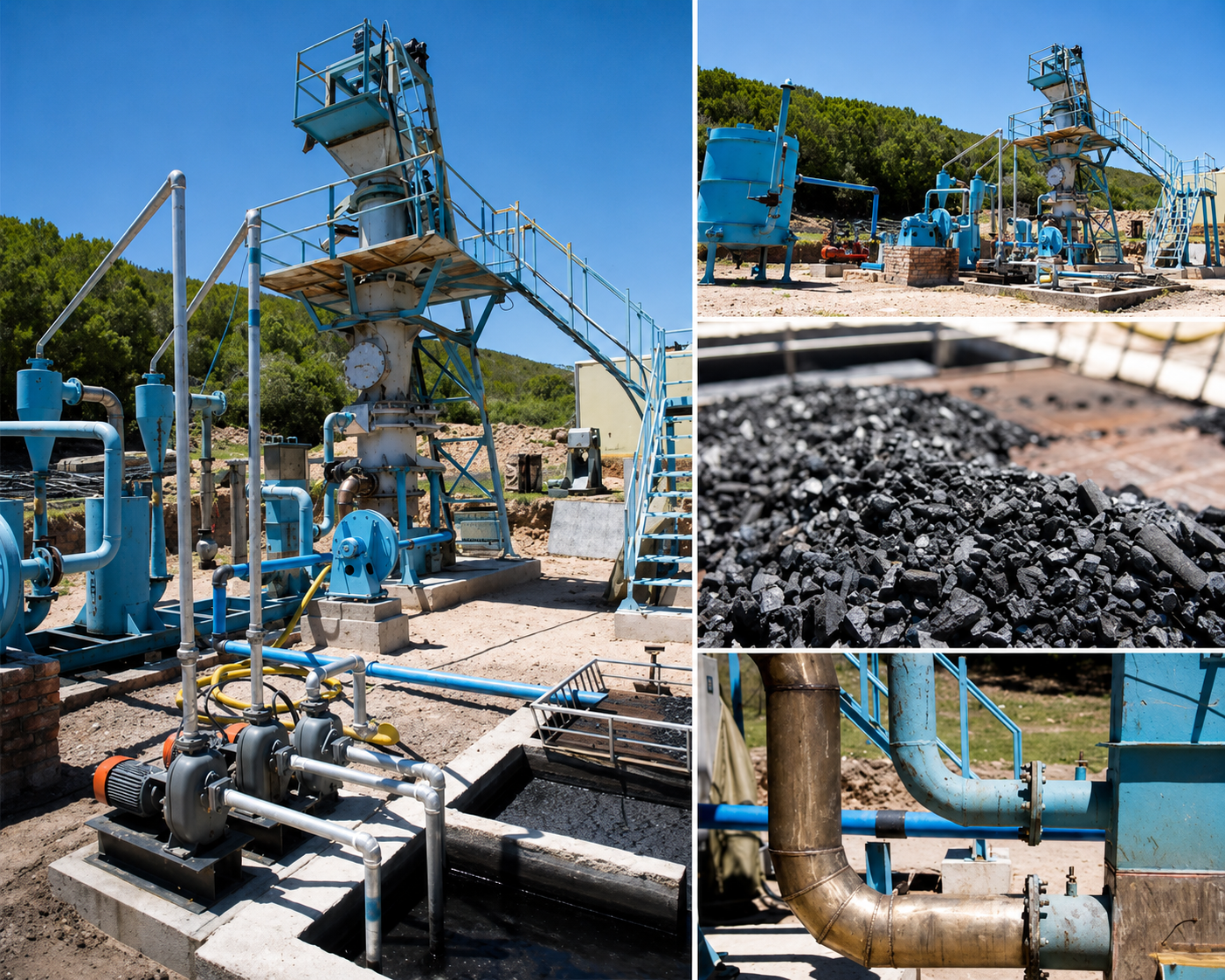
These industrial wastes could be converted to biochar, rather than dumped into the landfill or released as pollution in the atmosphere. With CPG gasification systems, the process becomes more efficient and controlled. The product is useful, too. Biochar has become more popular in the agricultural sector, where it is employed to enhance soil quality, retain water, and boost soil productivity, and it is also now being utilized in filtration due to its porous nature. Some companies even employ it for activated carbon.
There is another advantage to biochar (and carbon credits) –
Biochar is a carbon trap that can store carbon for hundreds of years. That's a huge step for anyone working on reducing carbon emissions or creating carbon credits. Organizations around the world are catching on that biochar can help them hit their sustainability goals. Then there's even more control and efficiency when using gasification. Not only do you have higher carbon recovery rates, but you can scale up with ease, and you know you're getting as much value as you can from your biomass.
Looking Ahead -
Gasification is more than a waste-treatment process- it is a smarter approach to biomass utilization. Industries are discovering added value from what was previously regarded as waste by combining energy recovery, carbon storage and smart resource management. With more businesses aiming for sustainability, gasification, especially through CPG systems, will play an increasingly important role in the future of biochar production.
There is another advantage to biochar (and carbon credits) –
Biochar is a carbon trap that can store carbon for hundreds of years. That's a huge step for anyone working on reducing carbon emissions or creating carbon credits. Organizations around the world are catching on that biochar can help them hit their sustainability goals. Then there's even more control and efficiency when using gasification. Not only do you have higher carbon recovery rates, but you can scale up with ease, and you know you're getting as much value as you can from your biomass.
Looking Ahead -
Gasification is more than a waste-treatment process- it is a smarter approach to biomass utilization. Industries are discovering added value from what was previously regarded as waste by combining energy recovery, carbon storage and smart resource management. With more businesses aiming for sustainability, gasification, especially through CPG systems, will play an increasingly important role in the future of biochar production.